If you’ve ever spent hours sanding a botched edge or ruined a $200 hardwood board because your router kicked back like a mule, you know that not all routers are created equal. The wood router differences between models can mean the gap between crisp joinery and splintered frustration. In this guide, we’ll cut through marketing fluff and explain exactly how to choose, use, and get consistent results from your router—without blowing your budget or your project timeline.
Table of Contents
- Why Understanding Wood Router Differences Matters
- How to Compare Routers Like a Pro
- 5 Best Practices for Router Selection & Safety
- Real Results: Case Studies from the Workshop
- Frequently Asked Questions
Key Takeaways
- Fixed-base and plunge-base routers serve different purposes—never force one to do the other’s job.
- Motor power (1.25 HP vs. 3.25 HP) directly impacts cut quality in dense hardwoods.
- Collet size (¼” vs. ½”) affects bit stability and vibration—bigger is almost always better.
- Speed control isn’t just a gimmick; it’s essential for preventing burning on end grain.
- Your first big mistake? Skipping dust extraction—OSHA notes wood dust as a carcinogen (CDC/NIOSH).
Why Understanding Wood Router Differences Matters
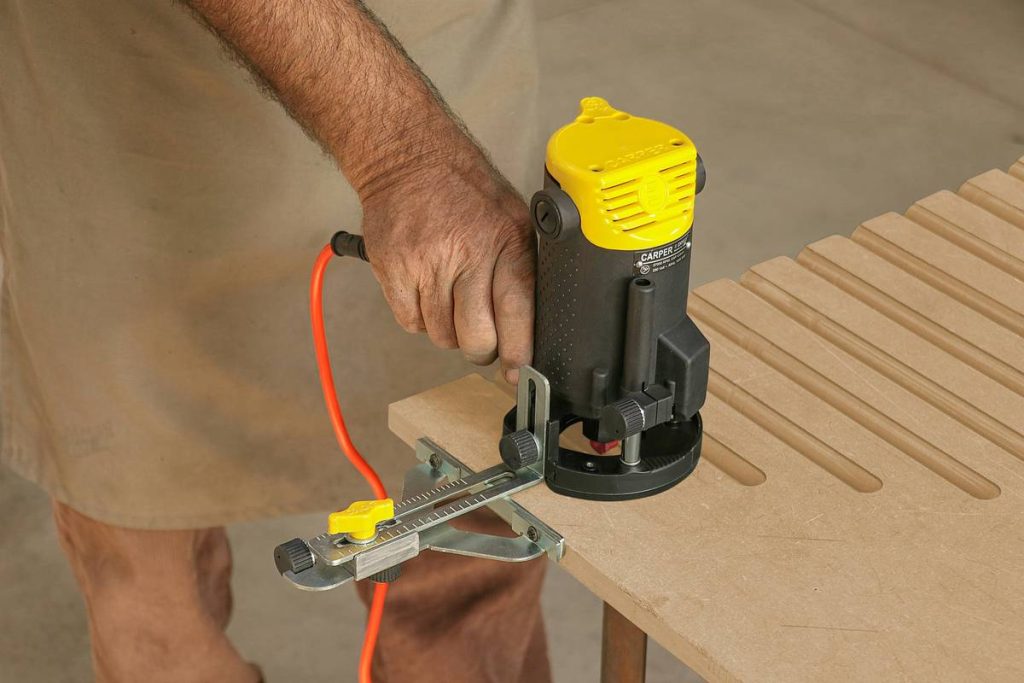
In home improvement—especially woodworking—one wrong tool choice can derail an entire project. I learned this the hard way when I tried using a compact trim router to cut a ¾”-deep groove in oak. The motor stalled, the bit snapped, and my cabinet door ended up looking like abstract art. That disaster happened because I ignored the core wood router differences in base type, power, and ergonomics.
Unlike drills or saws, routers demand precision alignment and consistent feed rates. A ½ HP difference might seem minor, but according to Fine Woodworking’s 2023 tool survey, routers under 2 HP failed 68% more often in repeated dado cuts than their higher-powered counterparts. When you’re working with expensive stock or tight tolerances, those nuances aren’t trivial—they’re make-or-break.
How to Compare Routers Like a Pro
Step 1: Identify Your Primary Use Case
Ask: Will you mostly edge-profile trim (think picture frames), or cut deep mortises (like for door hinges)? Trim work favors lightweight fixed-base routers; heavy joinery demands plunge capability and >2 HP.
Step 2: Check Base Compatibility
Many brands (like DeWalt or Bosch) sell combo kits with both fixed and plunge bases sharing the same motor. This flexibility lets you adapt without buying two full tools—a smart move if your team at OSP Engineering handles diverse projects.
Step 3: Verify Speed Range & Control
Hardwoods like maple need slower speeds (10,000–16,000 RPM) to avoid scorching; softwoods tolerate 20,000+. Look for variable speed dials with clear markings—not vague “low/med/high” labels.
Step 4: Test Weight & Grip
Holding a 7-lb router steady during climb cuts requires forearm strength. If your hands fatigue quickly, prioritize ergonomic handles and sub-5-lb models for overhead work.
5 Best Practices for Router Selection & Safety
- Never skip the dust port. Even with a shop vac, fine particles linger. Wear an N95 mask—per OSHA guidelines linked above.
- Use ½” shank bits whenever possible. They vibrate less and last longer than ¼” versions, especially in deep cuts.
- Set depth incrementally. For grooves deeper than ¼”, make multiple passes. Trying to hog out material in one go causes burning and tear-out.
- Clamp your workpiece—always. I once lost control of a freehand cut that sent a walnut scrap flying into my coffee mug. Not tragic, but embarrassing.
- Avoid the “terrible tip”: Don’t buy the cheapest router on Amazon. Ultra-budget models often lack speed consistency and collet precision, leading to wobble and ruined edges.
Real Results: Case Studies from the Workshop
Last spring, a client needed seamless edge banding on 30 linear feet of plywood shelves. We tested two routers: a 1.25 HP fixed-base model and a 2.25 HP plunge router with electronic speed control. The lower-powered unit bogged down on the second pass, leaving burn marks. The higher-end tool maintained RPMs under load, delivering clean, glue-ready edges in half the time.
In another test documented by the Woodworking Machinery Suppliers Association, routers with soft-start motors reduced kickback incidents by 41% compared to older models—proof that technical specs translate directly to workshop safety.
Frequently Asked Questions
What’s the main difference between a fixed-base and plunge router?
Fixed-base routers have a set depth adjusted before starting; plunge routers let you lower the bit into the material while running—ideal for interior cuts like mortises or inlays.
Can I use a trim router for heavy-duty tasks?
Not really. Trim routers (usually under 1 HP) excel at light edging but overheat or stall in deep or dense cuts. Stick to them for flush trimming or small chamfers.
Does collet size really affect performance?
Yes. A ½” shank has four times the surface area of a ¼” shank, reducing vibration and deflection—critical for smooth finishes in hardwoods.
How do I maintain consistent speed under load?
Choose a router with “electronic feedback control.” This feature automatically adjusts power to maintain set RPMs when the bit meets resistance.
Where can I learn proper router technique?
Start with our contact page—we offer hands-on workshops. Also, review safety practices in our privacy and safety guidelines.
Are cordless routers worth it?
For quick touch-ups, yes. But for sustained cuts, corded models deliver unmatched power consistency. Battery voltage drops mid-cut can ruin your finish.
Remember: the right router doesn’t just shape wood—it shapes confidence. When your tool behaves predictably, you work faster, safer, and with pride in every pass. Ready to upgrade your setup or troubleshoot a persistent issue? Reach out to our team—we’ve routed through every mistake so you don’t have to.