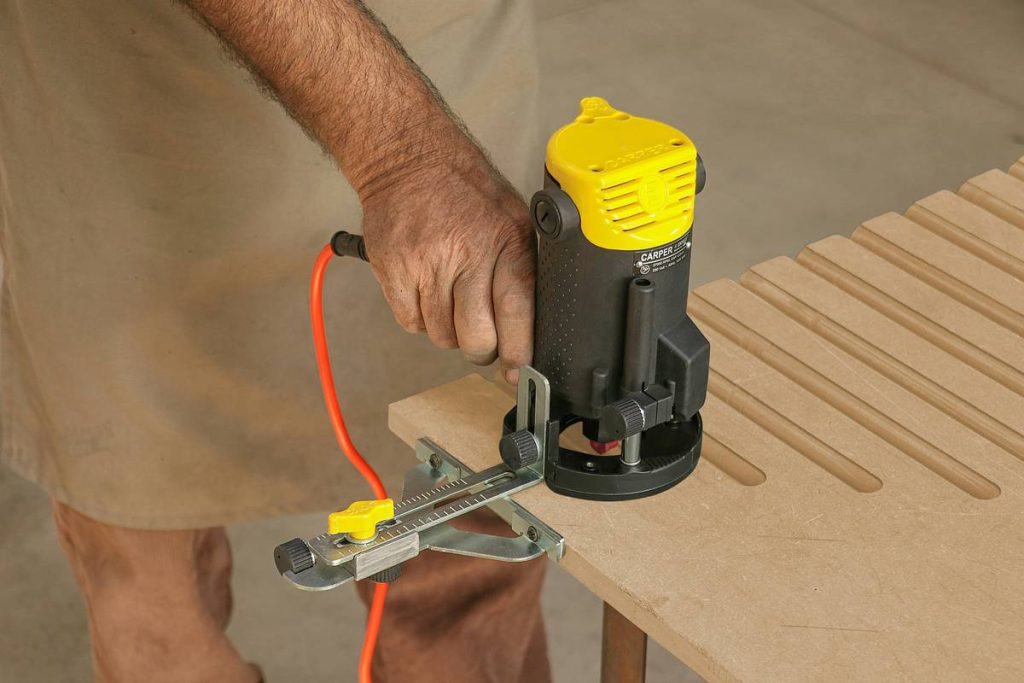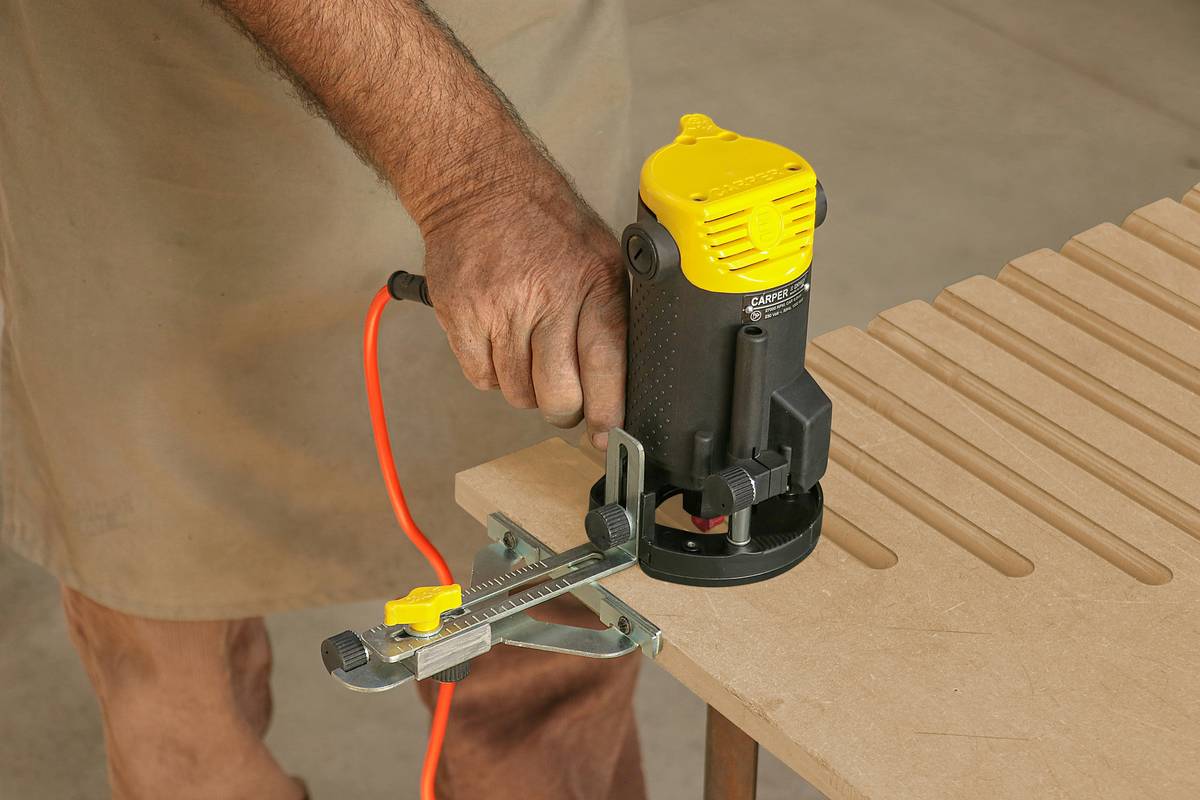
If you’ve ever stared at a wobbly cabinet door edge or a shelf joint that just won’t align, you’ve probably wondered: what is a router tool, and why do woodworkers swear by it? Far from being just another power tool gathering dust in the garage, a router is your secret weapon for precision cuts, seamless joints, and professional-looking finishes—provided you use it right. In this guide, we’ll demystify the router tool, walk you through safe setup steps, share hard-won best practices (including one blunder I made that cost me a solid walnut board), and spotlight real-world applications that prove its worth in any home improvement project.
Table of Contents
- Why Router Tools Matter in Home Improvement
- How to Use a Router Tool Safely and Effectively
- 5 Best Practices for Flawless Results
- Real-World Examples That Prove the Value
- Frequently Asked Questions
Key Takeaways
- A router tool shapes, trims, and hollows out wood with unmatched precision using a high-speed rotating bit.
- Always clamp your workpiece—freehand routing without support is a one-way ticket to tear-out city.
- Feed direction matters: move against the bit’s rotation to avoid kickback and splintering.
- Start shallow: make multiple light passes instead of one deep cut to maintain control and extend bit life.
- Never skip safety gear—eye protection and hearing protection are non-negotiable.
Why Router Tools Matter in Home Improvement
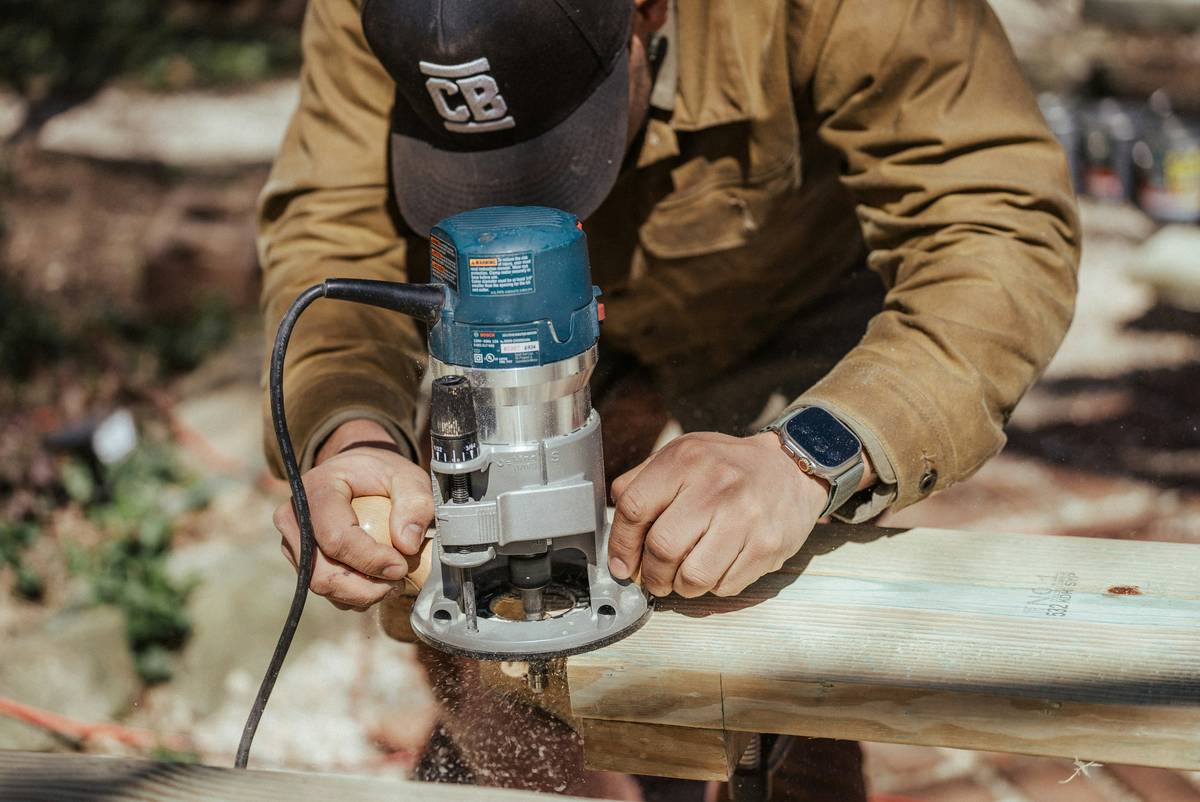
In the world of DIY home upgrades—from building custom shelves to installing decorative trim—a router tool bridges the gap between amateur and artisan. Unlike saws that merely cut, routers sculpt. They create grooves for hidden joinery, round over sharp edges for safety, and even carve intricate moldings that mimic expensive millwork. According to the U.S. Consumer Product Safety Commission, improper power tool handling causes thousands of injuries annually—but with proper technique, routers are among the most controllable and versatile tools in your arsenal. At OSP Engineering, we rely on precision hardware every day; our team’s engineering background informs how we approach tool selection and application, ensuring both performance and safety.
How to Use a Router Tool Safely and Effectively
Step 1: Choose the Right Router Type
For beginners, a fixed-base router offers stability and consistent depth—ideal for edge profiling and dado cuts. Plunge routers excel at interior cuts like mortises or inlays. Compact palm routers handle light trimming but lack the power for heavy stock removal.
Step 2: Install the Bit Correctly
Unplug the router first. Insert the bit fully into the collet, then retract it slightly (about 1/8 inch) before tightening. Over-tightening can warp the collet; under-tightening risks bit slippage mid-cut—a terrifying experience I learned the hard way when a 1/2-inch straight bit shot out during a bookshelf build. Trust me: double-check that collet.
Step 3: Set Depth and Speed
Match speed to bit diameter: smaller bits (≤1/4”) run at 20,000–24,000 RPM; larger bits (≥1/2”) need slower speeds (12,000–16,000 RPM) to reduce heat and vibration. Adjust depth incrementally—never exceed 1/8 inch per pass on hardwoods.
Step 4: Route With the Grain
Move the router against the bit’s rotation (typically left to right along the top edge of a board). Going with the grain invites the bit to “climb,” potentially yanking the tool from your hands.
5 Best Practices for Flawless Results
- Use sacrificial backing boards to prevent tear-out on veneered or laminated surfaces.
- Keep bits clean and sharp—dull bits burn wood and increase motor strain. Clean resin buildup with a dedicated bit cleaner.
- Secure your workpiece with clamps or a router table fence. Freehand routing on small pieces is a recipe for disaster.
- Wear hearing and eye protection—routers operate at 90–100 decibels and eject fine particulates at high velocity.
- Avoid this terrible tip: “Just hold the board steady with your hand.” Nope. Ever. Your fingers don’t grow back.
Real-World Examples That Prove the Value
Last year, a homeowner in Portland retrofitted 12 cabinet doors with soft-close hinges—a job requiring precise 35mm hinge cups. Using a plunge router with a template guide bushing, they achieved perfect alignment in under two hours. Without a router? The alternative would’ve been hiring a carpenter at $75/hour. Similarly, a U.S. Forest Service study notes that CNC and handheld routers reduce material waste by up to 18% in custom woodworking by enabling exact replication of profiles. Whether you’re crafting a farmhouse table or repairing window casings, knowing what is a router tool unlocks efficiency and quality that generic tools can’t match. And if you’re planning a major renovation, remember to review our privacy policy before sharing project details with contractors.
Frequently Asked Questions
What’s the difference between a router and a rotary tool?
Routers are heavy-duty, high-torque tools designed for wood shaping at depths up to several inches. Rotary tools (like Dremel) are lighter, lower-power devices for detail work, engraving, or light sanding—not structural routing.
Can I use a router on materials other than wood?
Yes—with the right bit. Routers cut plastic, aluminum, and laminates effectively. Always use carbide-tipped bits for non-wood materials and reduce feed speed to prevent melting or chipping.
How do I stop my router from burning the wood?
Burning usually means the bit is dull, moving too slowly, or the depth per pass is too aggressive. Clean or replace the bit, increase feed rate slightly, and take shallower cuts.
Is a router necessary for basic home repairs?
Not always—but it becomes essential once you move beyond simple fixes. Installing crown molding, creating flush inlays, or fixing uneven door edges all benefit from router precision. Understanding what is a router tool helps you decide when it’s worth the investment.
Where can I get professional help with router projects?
If you’re tackling complex cabinetry or built-ins and want expert guidance, contact us—we offer technical consultations grounded in real engineering practice.
Mastery isn’t about owning every tool—it’s about wielding the right one with respect. So next time you ask, “what is a router tool?” remember: it’s not just a machine. It’s your partner in turning rough lumber into heirloom quality. Now go make something that lasts.