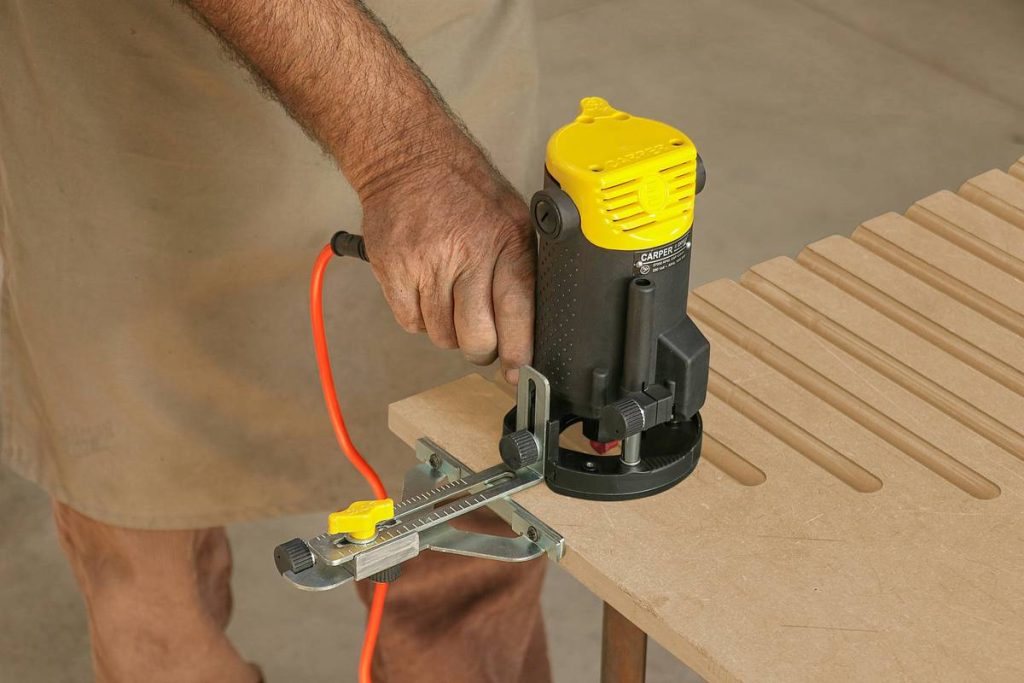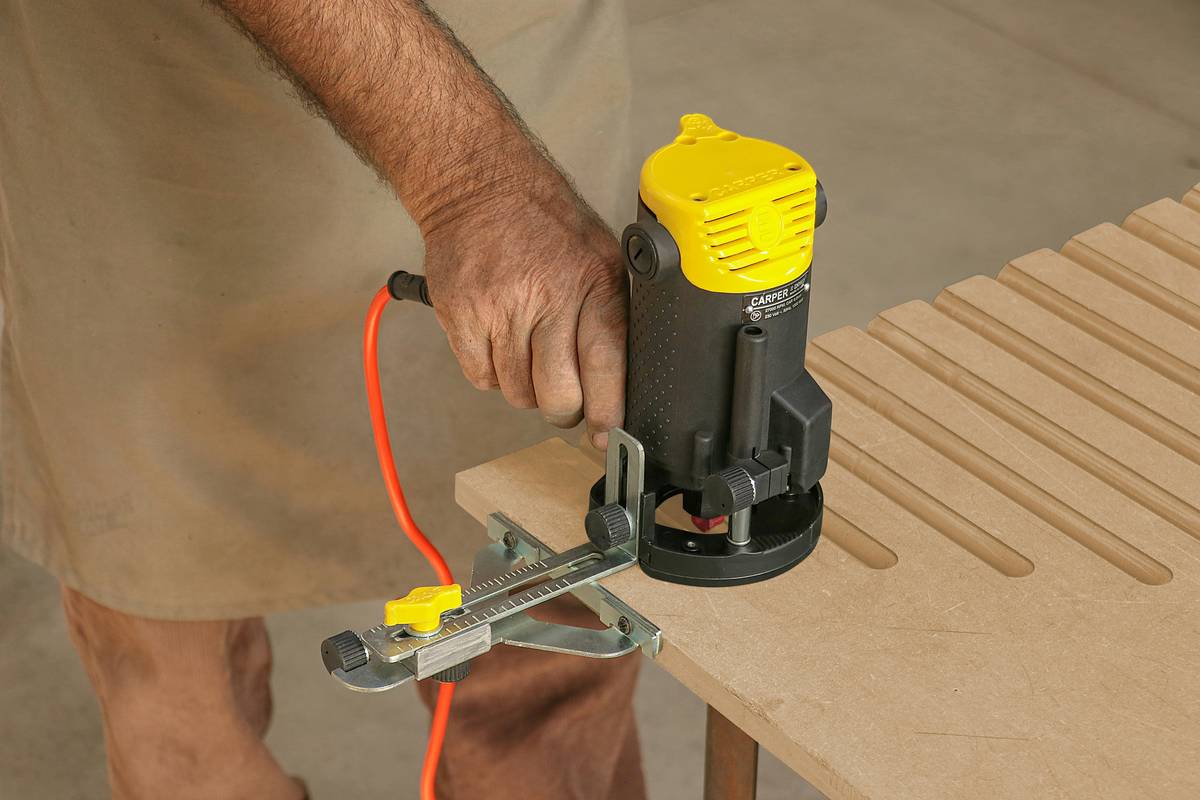
If you’ve ever spent hours sanding a wobbly edge just because your trim didn’t sit flush, you know the agony of skipping the right tool. For DIYers and weekend warriors in home improvement, a small handheld router tool isn’t just convenient—it’s transformative. Yet so many beginners grab any compact router off the shelf, only to end up with burnt wood, chipped edges, or worse—frustration that kills the project entirely.
In this guide, we’ll walk you through everything you need to know to choose, use, and master your small handheld router tool safely and effectively. From setup to finishing touches, these lessons come from real workshop scars—yes, including that time I routed through my workbench (more on that soon).
Table of Contents
- Why a Small Handheld Router Tool Matters in Home Improvement
- Step-by-Step Guide to Using Your Router Like a Pro
- 5 Best Practices for Cleaner Cuts and Longer Tool Life
- Real-World Examples: Before-and-After With Compact Routers
- Frequently Asked Questions
Key Takeaways
- A small handheld router tool offers unmatched precision for edge profiling, hinge mortising, and decorative inlays.
- Speed control, collet size, and base stability are more critical than raw power for detail work.
- Always test cuts on scrap wood first—router mistakes are irreversible.
- Proper bit installation and feed direction prevent tear-out and kickback.
Why a Small Handheld Router Tool Matters in Home Improvement
In the world of power tool accessories, routers often get overshadowed by drills and saws. But when it comes to fine woodworking tasks—installing cabinet doors, creating custom shelving, or restoring antique furniture—a compact router delivers surgical precision that larger tools simply can’t match.
According to the U.S. Consumer Product Safety Commission, improper use of power tools contributes to over 40,000 injuries annually—many stemming from using oversized or ill-suited equipment for delicate jobs. A small handheld router tool, typically under 2 HP with variable speed control, reduces risk while increasing accuracy for detail-oriented home projects.
I learned this the hard way. On a bathroom vanity build, I tried using a full-size plunge router for shallow groove work. The weight caused my hand to drift, and I accidentally plunged through the ¾-inch plywood bottom—ruining weeks of work. Switching to a palm-sized router changed everything.
Step-by-Step Guide to Using Your Router Like a Pro
1. Choose the Right Bit and Install Securely
Match your bit to the task: straight bits for grooves, round-over for soft edges, core box for decorative channels. Always insert the shank fully into the collet, then back off 1/16 inch before tightening. A loose bit wobbles—causing vibration, poor finish, and potential ejection.
2. Set Depth and Speed Correctly
Deeper cuts require multiple passes. Never remove more than 1/8 inch of material per pass in hardwood. Use slower speeds (10,000–16,000 RPM) for large bits and faster speeds (18,000–25,000 RPM) for small bits, as recommended by the U.S. Department of Labor’s OSHA guidelines.
3. Master Feed Direction
Always move the router against the bit’s rotation—left to right along the top edge, right to left along the bottom. Going with the rotation causes climb cutting, which can yank the tool from your hands.
5 Best Practices for Cleaner Cuts and Longer Tool Life
- Use sacrificial backer boards to prevent tear-out on exit edges.
- Keep bits sharp—dull bits burn wood and strain the motor.
- Secure your workpiece with clamps, not just hand pressure.
- Let the router reach full speed before touching the wood.
- Clean the base regularly to maintain smooth sliding action.
And here’s one terrible tip to avoid: “Just hold the wood steady while routing freehand.” Nope. Even experienced users should use guides or edge fences for straight work. Freehand is for curves—and even then, practice on scrap first.
Real-World Examples: Before-and-After With Compact Routers
A homeowner in Portland used a small handheld router tool to retrofit recessed pulls into existing kitchen cabinets. Using a ¼-inch straight bit with a template guide, they achieved consistent, professional-looking results across 18 doors—saving over $1,200 versus hiring a carpenter.
In another case, a woodworker restored a 1920s bookshelf by routing new dados for missing shelves. With a compact trim router and a shop-made jig, they matched the original joinery precisely—a task nearly impossible with larger, less maneuverable tools.
These successes hinge on one truth: precision beats power in detail work. And that’s why investing in a quality small handheld router tool pays off long-term.
Frequently Asked Questions
What’s the difference between a trim router and a compact plunge router?
Trim routers are fixed-base, lightweight tools ideal for edge work. Compact plunge routers allow depth adjustment during operation—better for inlays or mortises. Both fall under the “small handheld router tool” category but serve slightly different purposes.
Can I use a small router for dovetail joints?
Not easily. Dovetails require specialized jigs and precise vertical alignment. While possible with micro-adjustments, a dedicated dovetail jig or full-size router is safer and more accurate.
How do I prevent burning on hardwoods?
Use sharp carbide-tipped bits, reduce feed speed slightly, and ensure proper chip clearance. Overheating often occurs when chips pack into the cut—slow down and let the bit clear debris.
Is a brushless motor worth it in a small router?
Absolutely. Brushless motors offer longer runtime, cooler operation, and consistent power under load—key for battery-powered models used in remote job sites.
Where can I learn proper technique?
Start with hands-on demos at local maker spaces or community colleges. You can also explore trusted resources like Wikipedia’s wood router overview for foundational knowledge.
Do I need dust collection?
Yes. Even small routers produce fine particulate matter. Use a vacuum adapter or wear an N95 mask—OSHA classifies wood dust as a carcinogen with prolonged exposure.
Ready to transform your next project? Don’t guess your way through edge profiles or mortises. Contact us for personalized advice on selecting the right small handheld router tool for your needs. Learn more about our team’s background on our About Us page, and review our data practices in the Privacy Policy.
Remember: A router doesn’t shape wood—it shapes confidence. One clean cut at a time.