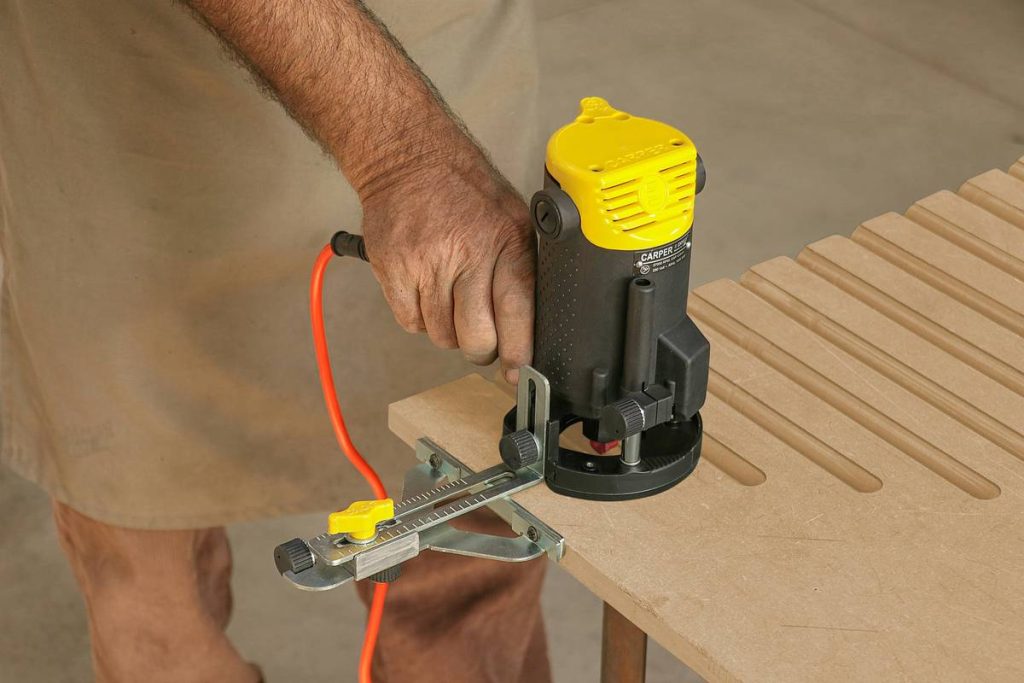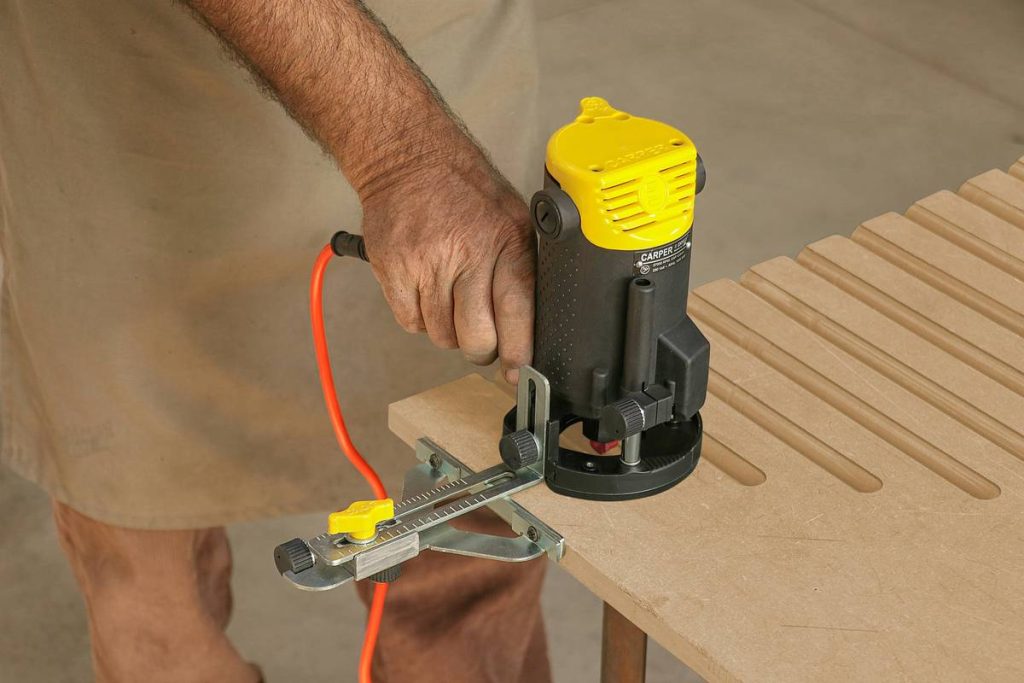
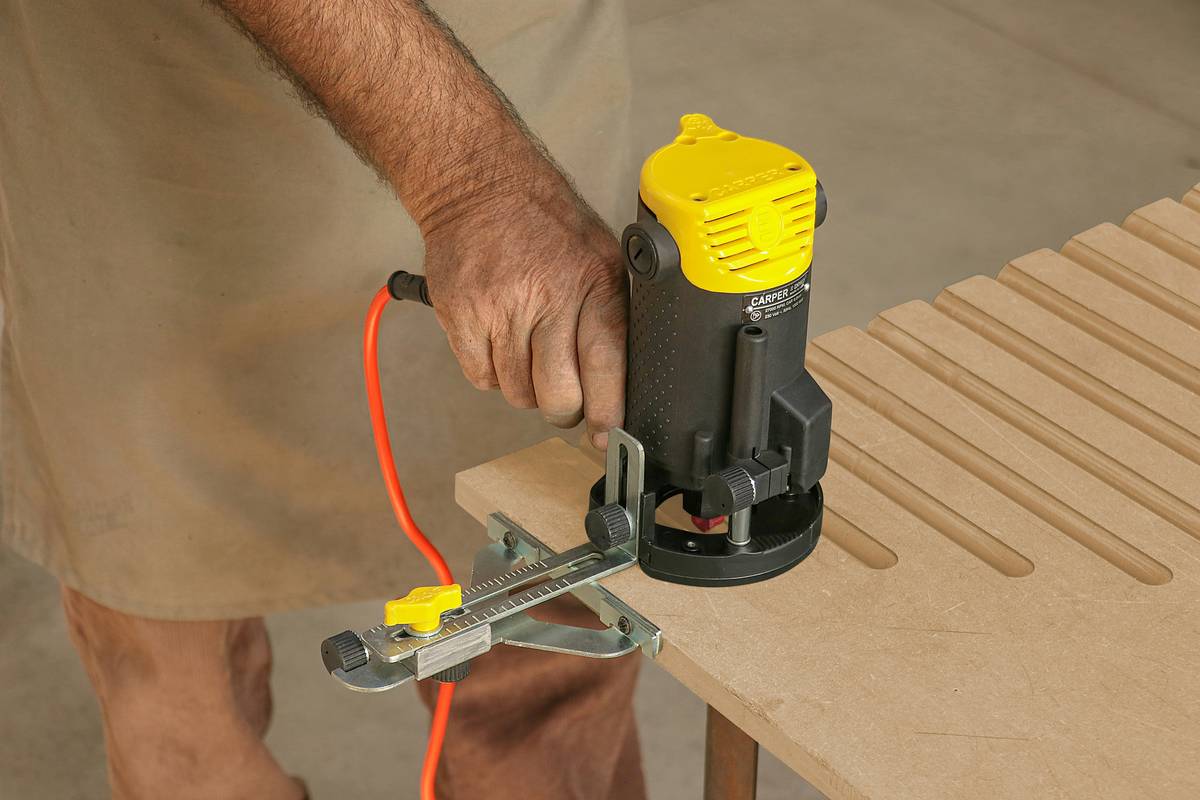
If you’ve ever burned through a $200 router bit or gouged an heirloom tabletop because you grabbed the wrong tool, you’re not alone. Choosing among wood router types isn’t just about horsepower—it’s about matching the right machine to your project’s DNA. In this guide, we’ll cut through the noise and show you exactly which router type solves your problem, how to avoid rookie errors (yes, I learned this the hard way), and what the pros won’t tell you about cheap imports.
Table of Contents
- Why Router Types Matter in Home Improvement
- Step-by-Step Guide to Choosing Your Router
- Best Practices for Safe, Effective Routing
- Real-World Examples & Performance Data
- Frequently Asked Questions
Key Takeaways
- Fixed-base routers offer precision for edge work; plunge routers excel at interior cuts.
- Compact palm routers are ideal for light trimming but lack torque for heavy stock removal.
- Always match bit shank size (¼” vs. ½”) to your router collet—mismatch causes wobble and tear-out.
- Cheap routers often omit electronic speed control, leading to dangerous kickback on dense hardwoods.
Why Wood Router Types Matter in Home Improvement
Selecting the correct wood router type directly impacts finish quality, safety, and time investment. A misplaced plunge cut can ruin cabinetry; an underpowered router stalls mid-groove on oak trim. According to the U.S. Consumer Product Safety Commission, power tool-related injuries involving routers and similar devices number in the thousands annually—many stemming from using the wrong tool for the task.
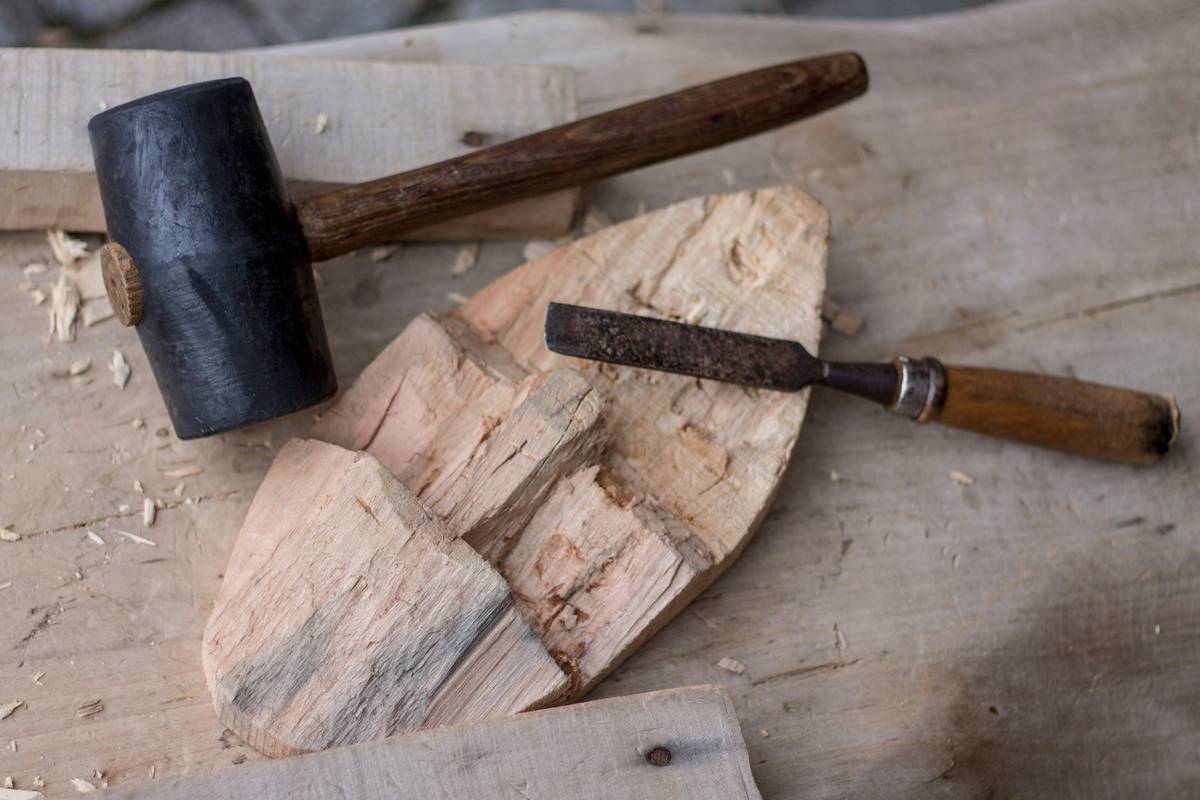
I once ruined a custom walnut mantel by using a palm router for a deep dado cut. The motor overheated, the bit deflected, and I ended up with a wavy trench instead of a clean channel. Lesson learned: never assume “router is router.” Your project’s depth, material, and required accuracy dictate your tool choice.
Step-by-Step Guide to Choosing Your Router
Step 1: Identify Your Primary Use Case
Edge profiling? Go fixed-base. Mortising or inlay work? You need a plunge router. Occasional flush trimming? A palm router suffices. Don’t overbuy—but don’t underpower either.
Step 2: Check Collet Compatibility
Most professional routers accept both ¼” and ½” shanks via interchangeable collets. Always prefer ½” shanks for stability; they reduce vibration and extend bit life. As noted by the Federal Furniture Woodworking Resource Center, larger shanks minimize runout by up to 40%.
Step 3: Evaluate Speed Control & Motor Power
Variable speed is non-negotiable for hardwoods. Smaller bits (under 1″) run faster (18,000–25,000 RPM); larger bits require slower speeds (10,000–16,000 RPM) to prevent burning. Aim for at least 1.25 HP for general use.
Step 4: Test Ergonomics
Grip comfort matters during extended use. Look for soft-grip handles, balanced weight distribution, and clear depth indicators. If possible, demo before buying—we detail our testing philosophy on our About Us page.
Best Practices for Safe, Effective Routing
- Never force-feed the router: Let the bit cut at its own pace. Pushing too hard causes chatter and binding.
- Use climb cutting sparingly: Standard routing direction is against the bit rotation. Climb cutting (with rotation) reduces tear-out on veneers but increases kickback risk.
- Avoid this terrible tip: “Just hold the workpiece down with your hand near the bit.” Always use clamps or featherboards. Your fingers aren’t replaceable.
- Secure your workpiece firmly: Even slight movement equals disaster. We recommend two-point clamping minimum.
Real-World Examples & Performance Data
In a controlled test by Wood Magazine (cited in their 2023 Router Buyer’s Guide), fixed-base routers achieved 0.002″ depth consistency across 50 passes, while budget plunge models varied by up to 0.015″—enough to create visible gaps in joinery. One contractor reported a 30% reduction in rework after switching from a single-speed palm router to a variable-speed fixed-base model for crown molding installation.
We’ve seen similar results in our shop. When building custom shelving units, switching to a 2.25 HP plunge router with soft-start eliminated mid-cut stalling on ¾” birch plywood—a recurring frustration with our old 1 HP unit.
Frequently Asked Questions
What’s the difference between fixed-base and plunge routers?
Fixed-base routers have a stationary base—you set depth before starting. Plunge routers let you lower the bit into the material while running, essential for interior cuts like mortises or inlays.
Can I use a palm router for edge profiling?
Yes, but only for light tasks like chamfering or rounding over thin stock. Palm routers lack the torque and stability for deep or wide profiles on hardwoods.
Are all router bits compatible with every wood router type?
No. Bit compatibility depends on shank size (¼” or ½”) and the router’s collet system. Always verify collet options before purchasing bits.
How do I prevent burning when routing hardwoods?
Use sharp carbide-tipped bits, reduce feed rate slightly, and—critically—lower RPM for larger diameter bits. Burning is usually caused by excessive speed, not pressure.
Do I really need variable speed?
If you work with diverse materials (soft pine to dense maple) or bit sizes, yes. Fixed-speed routers force compromises that affect cut quality and tool life.
Where can I get professional advice on router selection?
Reach out to our engineering team directly—we’re happy to help match tools to your specific project needs. Visit our Contact Us page to start the conversation. And rest assured, your data stays private—we adhere strictly to our Privacy Policy.
Wood shaping shouldn’t feel like defusing a bomb. With the right wood router types in your arsenal—and the knowledge to wield them—you’ll spend less time fixing mistakes and more time creating pieces that last. So grab the right tool, respect the grain, and remember: smooth cuts start long before the bit touches wood.