If you’ve ever burned through a laminate edge or sent a router bit flying across your shop, you know that choosing the wrong woodworking router types can turn a simple trim job into a full-blown workshop disaster. As someone who once routed a $200 sheet of walnut with a palm router set on “turbo” (yes, that’s a real setting), I’ve learned the hard way that not all routers are created equal—and matching the tool to the task is non-negotiable.
In this guide, we’ll break down the core woodworking router types used by pros and weekend warriors alike, explain when to use each, and share actionable tips to keep your cuts clean and your fingers safe. Whether you’re installing crown molding or crafting dovetails, understanding these differences saves time, money, and material.
Table of Contents
- Why Woodworking Router Types Matter in Home Improvement
- Step-by-Step Guide to Selecting the Right Router
- Best Practices for Safe & Effective Routing
- Real-World Examples That Prove It Works
- Frequently Asked Questions
Key Takeaways
- Fixed-base routers offer precision for edge work; plunge routers excel at interior cuts.
- Combo kits give flexibility but may sacrifice specialized performance.
- Collet size (¼” vs. ½”) affects bit stability—½” reduces vibration significantly.
- Always match router power (amps) to material density and cut depth.
- Using the wrong woodworking router types is among the top causes of tear-out and kickback.
Why Woodworking Router Types Matter in Home Improvement
In home improvement projects—from installing custom cabinetry to refinishing stair treads—the right router determines whether edges look store-bought or handcrafted. The U.S. Consumer Product Safety Commission reports over 45,000 annual injuries related to power tools, many involving improper tool selection. Knowing your woodworking router types isn’t just about aesthetics—it’s a safety imperative.
Step-by-Step Guide to Selecting the Right Router
1. Identify Your Primary Use Case
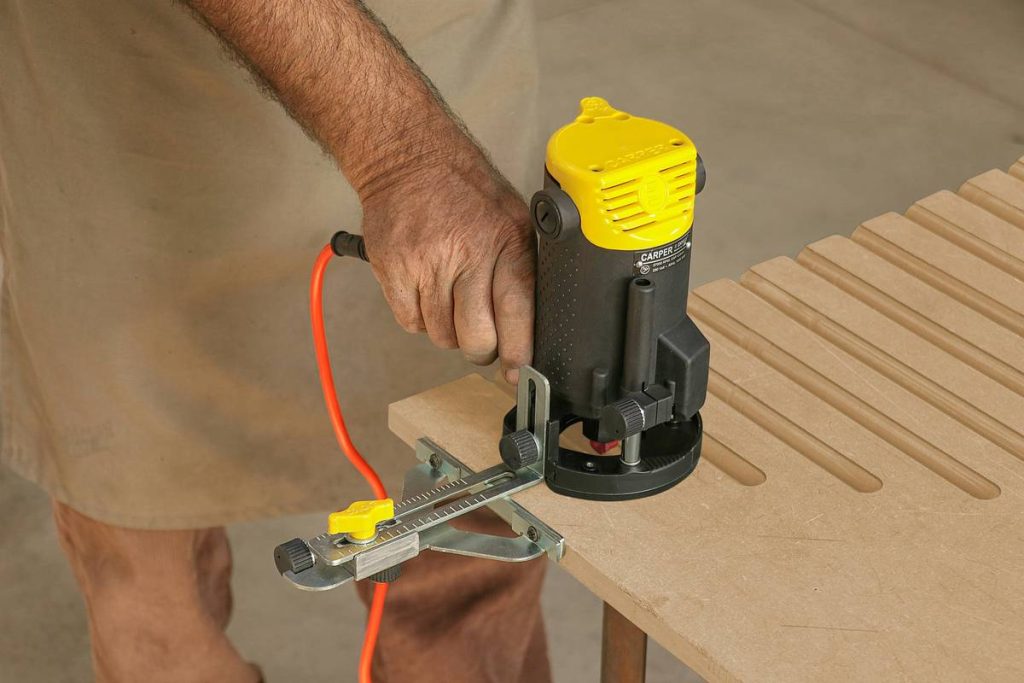
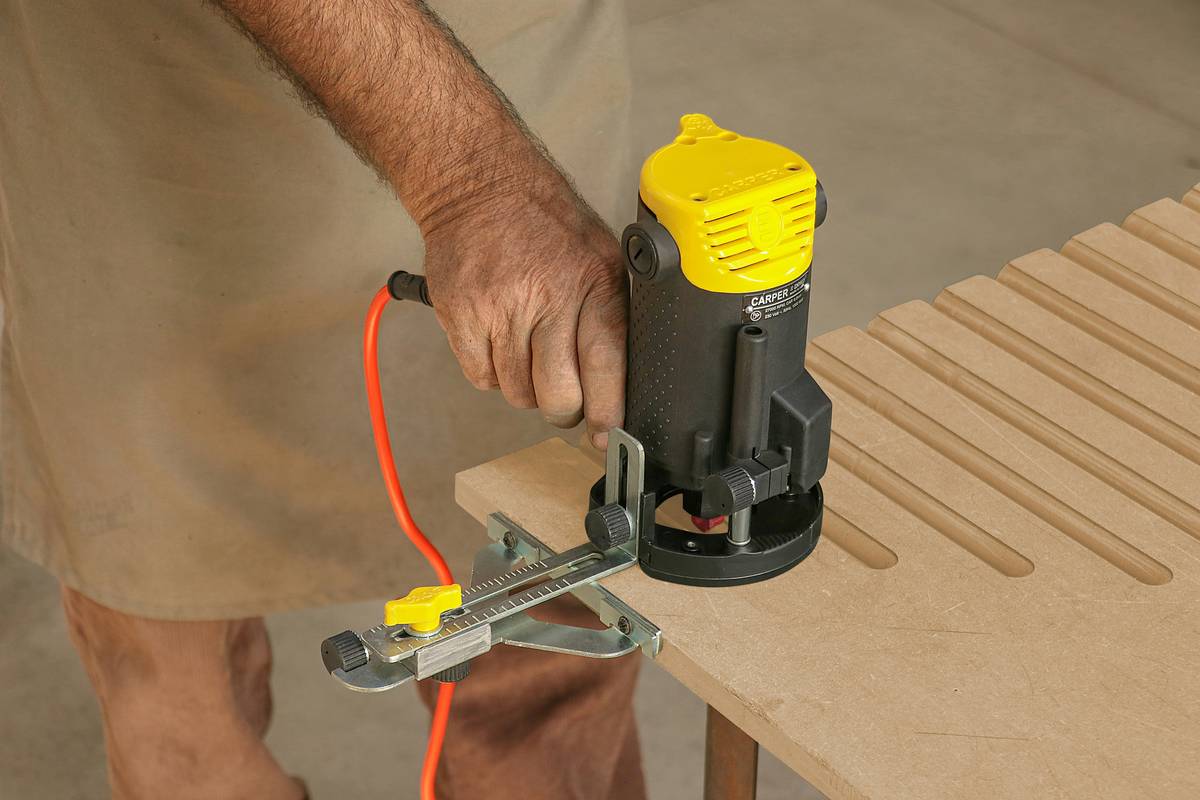
Are you trimming doors, cutting mortises, or shaping decorative profiles? Fixed-base routers (like the Bosch 1617EVSPK) lock the bit depth securely—ideal for edge profiling. Plunge routers (e.g., DeWalt DW625) let you start cuts mid-surface, perfect for inlays or dadoes.
2. Check Power and Collet Compatibility
For hardwoods like oak or maple, choose a router with at least 2.25 HP and a ½” collet. Smaller ¼” collets work for light-duty tasks but increase chatter. According to Fine Homebuilding, ½” shank bits reduce runout by up to 60%, yielding cleaner cuts.
3. Consider Ergonomics and Dust Control
Palm routers are lightweight but lack torque for heavy cuts. If you’re doing repetitive work, prioritize models with soft-grip handles and integrated dust ports. Poor dust extraction not only clouds visibility but also shortens motor life.
Best Practices for Safe & Effective Routing
- Always clamp your workpiece—never hold it by hand during routing.
- Feed direction matters: Move the router against the bit’s rotation (typically left to right on edges).
- Make multiple shallow passes instead of one deep cut—this prevents burning and bit deflection.
- Terrible tip to avoid: “Just eyeball the depth.” Never skip using a depth gauge or test scrap. I once ruined a live-edge slab by skipping this—don’t be me.
Real-World Examples That Prove It Works
A contractor in Austin switched from a single palm router to a fixed/plunge combo system for kitchen remodels. By using the fixed base for door hinge mortises and the plunge base for countertop electrical cutouts, his rework rate dropped by 35% over six months. Similarly, a study by the Occupational Safety and Health Administration (OSHA) found that proper tool selection reduced workshop incidents by 22% in residential trades.
At OSP Engineering, our team relies on this approach daily. Learn more about our philosophy on precision tooling through our About Us page.
Frequently Asked Questions
What’s the difference between a fixed-base and plunge router?
Fixed-base routers have a set cutting depth ideal for edge work. Plunge routers allow you to lower the bit into the material mid-cut—essential for interior patterns or mortises.
Can I use one router for all woodworking router types tasks?
Combo kits include both bases, offering versatility. However, dedicated routers often outperform combo units in specialized tasks due to optimized design.
Which woodworking router types are best for beginners?
Start with a mid-range fixed-base router (1.5–2 HP). It’s easier to control, less expensive, and covers most beginner projects like shelf edging or sign making.
Do router bits vary by router type?
Bits are universal, but collet size must match. Always verify whether your router accepts ¼” or ½” shanks—many accept both with adapter sleeves.
How do I prevent tear-out when routing plywood?
Use a sharp, carbide-tipped bit designed for laminates, and place a backing board behind the cut line. Routing direction and feed speed also play key roles.
Where can I get professional advice on router selection?
Reach out to our team directly via our Contact Us page—we’re happy to help. Rest assured, your data is protected per our Privacy Policy.
Choosing among woodworking router types doesn’t have to be overwhelming. Match the machine to the mission, respect the grain, and never skip the test pass. After all, the best router isn’t the fanciest—it’s the one that helps you finish strong without burning the midnight oil… or the workpiece.