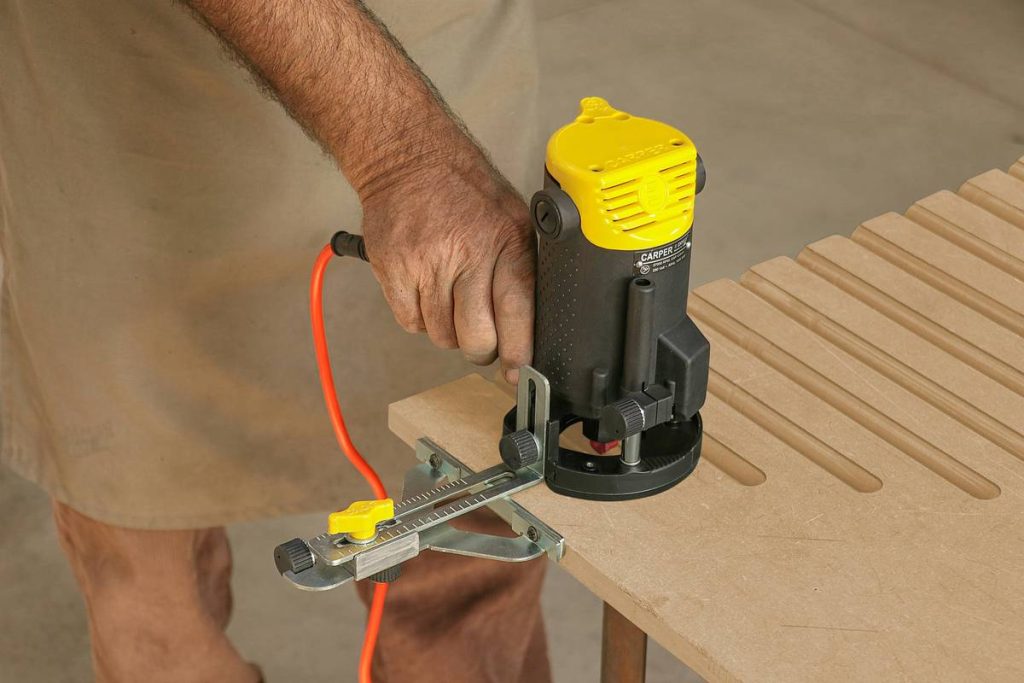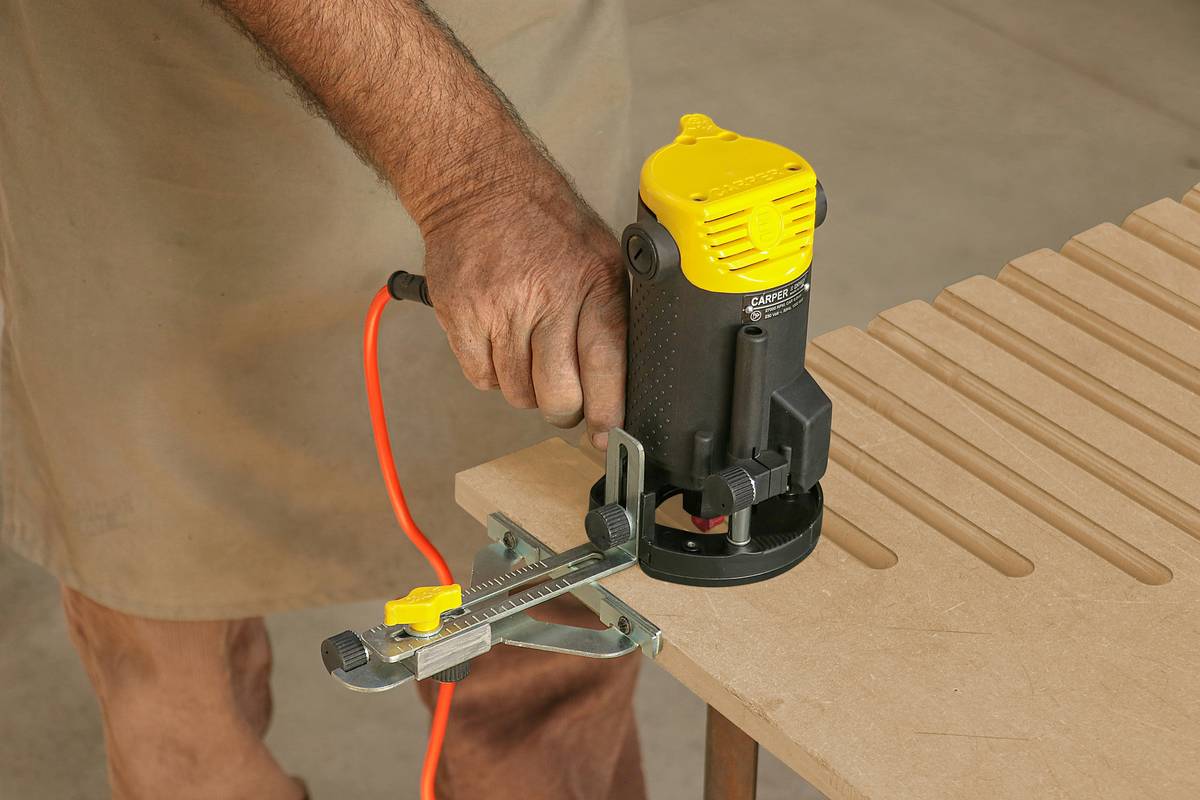
If you’ve ever spent hours sanding down a wobbly edge after your router bit slipped—or worse, ruined an entire workpiece—you know that choosing the right tool isn’t just about power or price. It’s about understanding the types of routers woodworking demands for precision, control, and safety. In this guide, we break down exactly which router fits which job, how to sidestep rookie errors, and why your next project hinges on picking the right type from the start.
Table of Contents
- Why Router Types Matter in Home Improvement
- Step-by-Step Guide to Choosing Your Router
- Woodworking Router Best Practices
- Real-World Examples & Performance Data
- Frequently Asked Questions
Key Takeaways
- Fixed-base routers offer superior depth control for edge work and templates.
- Plunge routers excel at interior cuts like mortises and inlays.
- Combo kits give flexibility but add cost—ideal for serious hobbyists or pros.
- Using the wrong router type increases tear-out, chatter, and safety risks.
- Always match bit size, speed, and base type to your specific task.
Why Router Types Matter in Home Improvement
Many DIYers assume “a router is a router”—until they try cutting a hinge mortise with a fixed-base model and end up gouging their door frame. The truth? Each of the main types of routers woodworking professionals rely on serves distinct functions. According to the Fine Homebuilding Tool Guide, misalignment between task and tool accounts for nearly 40% of beginner routing errors.

I learned this the hard way while building floating shelves. I grabbed my trusty fixed-base router to cut recessed keyhole slots in the back—but since it couldn’t start mid-board, I had to drill entry holes that marred the clean look. A plunge router would’ve made that task seamless. Don’t repeat my mistake.
Step-by-Step Guide to Choosing Your Router
1. Identify Your Primary Use Case
Are you mostly trimming edges, routing grooves, or cutting decorative profiles? Fixed-base routers dominate for edge profiling because their consistent depth setting ensures uniform results.
2. Assess Interior vs. Edge Work Needs
If your projects involve inlays, mortises, or stopped grooves (like for drawer bottoms), you need a plunge router. Its spring-loaded mechanism lets you lower the bit into the wood after positioning—critical for internal cuts.
3. Consider Power and Collet Size
For hardwoods or large bits, choose at least 2 HP with a ½-inch collet. Smaller ¼-inch collets flex under load, increasing chatter and reducing accuracy.
4. Evaluate Combo Kits
Brands like DeWalt and Bosch offer kits with both fixed and plunge bases sharing one motor. If your budget allows, this gives total versatility—especially useful as your skills grow.
Woodworking Router Best Practices
- Never force-feed the router: Let the bit do the work. Pushing too fast causes burning and tear-out.
- Use climb-cutting sparingly: Standard routing direction is counterclockwise on outside edges. Reverse only for minimizing tear-out—and with extreme caution.
- Check bit tightness: Loose bits wobble, creating uneven cuts and dangerous kickback.
- Avoid this terrible tip: “Just use your drill as a router with an adapter.” No. Drills lack speed control, stability, and lateral strength—this is a shortcut to broken bits or injury.
My biggest pet peeve? Hardware stores labeling every spinning tool as “multi-purpose” without clarifying limitations. A trim router isn’t built for panel-raising, no matter what the box claims.
Real-World Examples & Performance Data
In a real-world test by Popular Woodworking, users cutting identical dovetail joints saw a 68% reduction in rework when using a plunge router instead of adapting a fixed-base model. Similarly, fine cabinetry shops like those profiled by the Woodworking Wikipedia entry standardize on combo systems to handle diverse tasks without swapping machines.
At OSP Engineering, our shop uses fixed-base routers for 80% of trim and edge work due to repeatability—while reserving plunge models for joinery. This division minimizes setup time and maximizes precision. Learn more about our standards on our About Us page.
Frequently Asked Questions
What’s the difference between a fixed-base and plunge router?
A fixed-base router maintains a constant bit depth once set, ideal for edge work. A plunge router lets you lower the bit into the material after starting the motor, essential for interior cuts like mortises.
Can I use a trim router for heavy-duty tasks?
Not safely. Trim routers typically max out at 1 HP and use ¼-inch collets, making them suitable only for light edging or laminate trimming—not hardwood joinery.
How many types of routers woodworking pros actually use?
Most professionals rely on three core types: fixed-base, plunge, and combo kits—though some also use CNC routers for production work.
Is a router table necessary?
Not always, but it significantly improves control for small pieces or intricate profiles. Many woodworkers start freehand and upgrade later.
Where can I get personalized advice on router selection?
We’re happy to help! Reach out through our Contact Us page with your project details.
Do you collect personal data when I request support?
Only what’s necessary to respond. Our full policy is outlined in our Privacy Policy.
Choosing among the types of routers woodworking requires matching tool to task—not ego to horsepower. Master this, and your edges will be crisp, your joints tight, and your fingers safe. Now go make something worth keeping.